
For any organization, whether you manage front-of-house hospitality, corporate advisory teams, or industrial field crews, a uniform is more than clothing. It is the physical interface between your brand and the world. It communicates discipline, trust, safety, and attention to detail before a single word is spoken.
Yet, operations managers and procurement teams routinely grapple with a central question: How often should company uniforms actually be replaced?
Replace them too late, and your team looks worn down, faded, or uninspired, directly undermining your brand equity. Replace them too early, and you bleed unnecessary capital into garments that still had plenty of wear left.
At Sokev Studio, we help organizations design, produce, and manage workwear systems across every tier of their workforce, from leadership to field operations. Based on industry standards, textile physics, and workplace experience, here is a complete guide to establishing a practical, fact-based uniform replacement schedule.
1. The Short Answer: Industry Standards at a Glance
While garment lifespan depends on fabric weight, laundering methods, and role demands, standard replacement cycles across major industries generally follow these benchmarks:
Industry / Role Category | Primary Garment Types | Standard Replacement Cadence | Key Wear Drivers |
|---|---|---|---|
6 to 12 months | Abrasion, tear risk, grease, UV exposure, safety compliance | ||
6 to 12 months | Daily high-heat laundering, organic staining, grease absorption | ||
12 to 18 months | Medical-grade sanitization, chemical exposure, daily fluid defense | ||
12 to 24 months | Collar friction, seam stress, cuff wear, aesthetic fading | ||
Per Campaign / Seasonal | Short-burst intensive wear, brand alignment updates |
However, fixed timeframes only tell half the story. A rigid "replace every 12 months" policy often misses the nuance of how garments actually perform on the job.
2. The 5 Science-Backed Indicators It’s Time to Replace Uniforms
Instead of relying solely on the calendar, structured workwear management evaluates uniform health across five physical indicators:
Talk to us
A. Fabric Integrity & Tensile Strength
Repeated abrasion against machinery, desks, or movement zones thins out fabric over time. Once the weave degrades beyond a critical threshold, tear resistance drops sharply. If elbows, knees, or inner thighs show thinning or micro-tears, the garment no longer provides adequate coverage or comfort.
B. Color Degradation & Fading
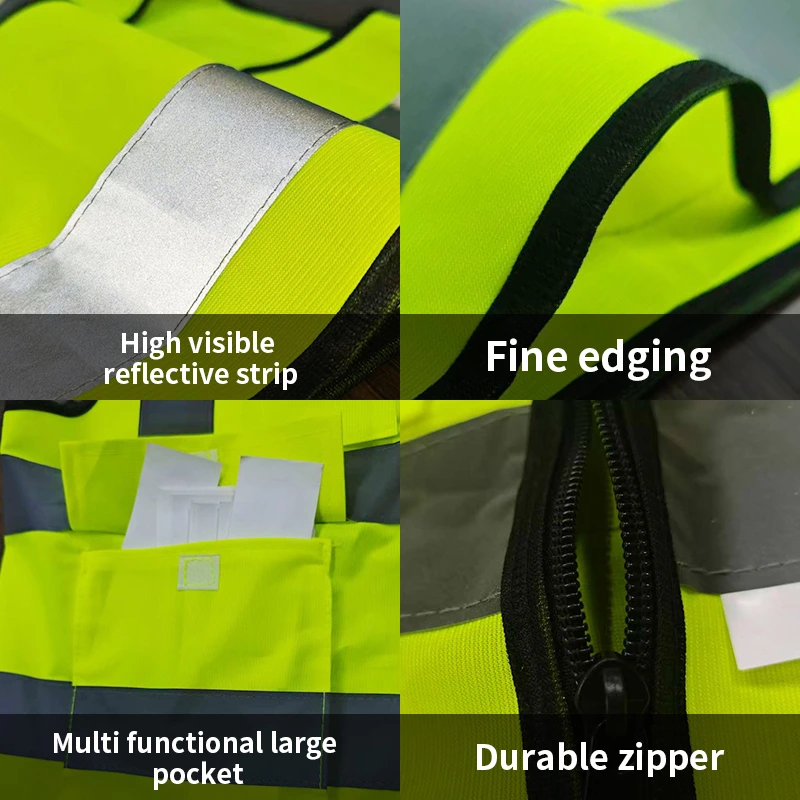
Your brand guidelines specify exact Pantone or CMYK values for a reason. Sunlight (UV radiation) and harsh commercial detergents cause color bleed and fading. When a navy polo fades into a dull grayish-blue, or high-visibility yellow loses its lumen brilliance, it instantly signals an aging operation to clients.
C. Branding & Logo Wear
A uniform’s branding defines it. Screen prints that crack, vinyl logos that peel, or embroidery that unravels not only look unkempt but also misrepresent your corporate identity. If your brand mark is illegible or damaged, the garment has lost its core purpose.
D. Fit & Structural Distortion
Workwear endures hundreds of wash cycles over its lifespan. Over time, heat and mechanical stress shrink fibers or stretch out collars, cuffs, and waistbands. Ill-fitting uniforms restrict employee movement, cause physical discomfort, and project an untidy image.
E. Loss of Technical Functionality
For specialized workwear, replacement isn't just about appearance it's a matter of safety and performance:
Hi-Vis Gear: Loss of reflectivity in retroreflective strips below international or local safety standards.
Flame-Retardant (FR) & Water-Resistant Apparel: Chemical coatings or thermal protection break down from heavy washing.
Moisture-Wicking & Anti-Microbial Wear: Clogging of synthetic mesh channels by fabric softeners or sweat residue, reducing breathability.
3. Garment Lifecycle Breakdown by Work Environment: Antimicrobial Wear: Synthetic mesh channels clog with ironment
Every role in your organization places unique stresses on apparel. Let’s look closely at how uniform replacement needs vary across key sectors:

Industrial & Field Workwear (6 – 12 Months)
The Environment: Construction sites, logistics hubs, field utility installations, and manufacturing floors.
The Wear Factors: Heavy friction, chemical splatters, snagging against rough surfaces, and intense UV exposure.
Replacement Trigger: Punctures, frayed hems, degraded high-visibility strips, or structural weakening at key stress points (like crotch gussets and pocket rivets).
Sokev Insight: In field environments, delaying uniform replacement is a safety liability. Worn safety gear increases workplace hazards and reduces on-site team confidence.
Hospitality & Food Service (6 – 12 Months)
The Environment: Hotels, fine dining, quick-service restaurants, and commercial kitchens.
The Wear Factors: Daily contact with oils, wine, and food acids, paired with high-temperature sanitization washes.
Replacement Trigger: Permanent staining on collars or aprons, loss of fabric crispness, or color shift in front-of-house shirts.
Sokev Insight: Hospitality is an industry of touchpoints. A single stained apron or faded chef shirt can negatively impact a guest’s perception of hygiene and quality faster than almost anything else.
Healthcare & Clinical Wear (12 – 18 Months)
The Environment: Hospitals, outpatient clinics, laboratories, and wellness centers.
The Wear Factors: Bleach exposure, biological fluids, and aggressive high-heat laundering cycles.
Replacement Trigger: Fabric thinning around pocket corners (from carrying medical tools), discoloration from sanitizing agents, or seam fraying.
Corporate & Executive Staff (12 – 24 Months)
The Environment: Client-facing offices, financial institutions, service desks, and corporate headquarters.
The Wear Factors: Friction from desks on elbows and wrists, creasing, and repeated dry cleaning or machine washing.
Replacement Trigger: Shiny patches on trousers/skirts from desk friction, curled shirt collars, fading around embroidered chest logos, or outdated styling.
4. The Allocation Equation: How Uniform Quantity Affects Lifespan
A direct correlation exists between how many items an employee receives and how long those items last. A common mistake organizations make is issuing too few uniforms, which drastically accelerates wear and tear.
If an employee receives only two shirts for a 5-day work week, each shirt undergoes 2.5 wear-and-wash cycles per week or roughly 130 aggressive washes per year. Most commercial cotton-poly blends begin to degrade after 50 to 75 wash cycles.
Here is Sokev’s recommended baseline uniform distribution model for optimal rotation:
Full-Time 5-Day Field / Operations: 3 to 5 tops, 2 to 3 bottoms, 1 to 2 outerwear. Optimal rotation: 1 shirt per day or 1 shirt every 2 days; laundered at the end of the week.
Front-Office & Hospitality: 3 to 4 shirts/blouses, 2 trousers/skirts, 2 aprons. Alternate days to allow fibers to rest and recover between washes.
Part-Time / Shifts (1-3 days/week): Pro-rated based on average weekly shifts. 1 clean uniform set per scheduled shift.
The "Fiber Recovery" Principle
Allowing garments to rest 24 to 48 hours between wears lets elastic fibers recover their shape and moisture fully evaporate. Distributing 5 shirts instead of 2 doesn't double your long-term apparel cost it spreads wear evenly and extends the set's lifespan by up to 150%.
5. Hidden Costs: Why Delaying Uniform Replacements Costs You More
When budgets tighten, postponing uniform refreshes often feels like an easy place to trim costs. However, operating with outdated or damaged workwear creates hidden expenses that far outweigh the savings:
Erosion of Customer Trust: Studies consistently show that consumers equate professional apparel with service competence. Worn-out workwear subtly signals a lack of care or declining standards.
Reduced Employee Pride: Apparel affects psychology. Wearing clean, modern, well-fitted workwear instills professional pride and reinforces belonging. Faded, ill-fitting garments reduce daily motivation.
Inconsistent Brand Image: When turnover happens, new hires receive crisp new uniforms while senior staff wear faded old ones. The result is a patchwork team appearance that weakens visual identity.
Higher Replacement Costs: Ordering piecemeal replacements in small, emergency batches raises unit costs, repeats setup fees, and creates inconsistent dye lots compared to structured, scheduled bulk refreshes.
6. How to Extend Your Workwear Lifespan: Best Practices
Smart uniform management isn't just about replacing garments when they wear out—it's about maximizing performance during their active lifecycle. Here are actionable steps to protect your workwear investment:
1. Match Fabric & Blend to the Role
100% Cotton: Ideal for high-heat environments like kitchens or heavy welding because it's breathable and naturally flame-resistant. However, it fades faster and can shrink if not cared for properly.
Poly-Cotton Blends (65/35 or 50/50): The gold standard for general corporate, hospitality, and daily workwear. Offers excellent color retention, minimal shrinkage, and strong tear resistance.
Performance Synthetics (Polyester/Spandex): Essential for active field roles, sports, and healthcare. They offer superior moisture management and flexibility, but require low-heat drying.
2. Standardize Care Guidelines Across Your Team
Educate your workforce on simple laundering practices that protect fabric integrity:
Wash uniforms inside out to protect embroidered or screen-printed logos.
Wash in cold or warm water (30°C–40°C) rather than scalding hot water, unless medical sanitization is required.
Avoid harsh fabric softeners on technical or moisture-wicking apparel.
Line dry when possible, or use low-heat tumble drying to prevent elastic breakdown.
3. Choose the Right Branding Technique
The longevity of your branding should match the lifespan of the garment:
Direct Embroidery: Best for corporate shirts, blazers, outerwear, and caps. Extremely durable and long-lasting.
Screen Printing / Screen Prints: Excellent for t-shirts and high-volume promotional gear, provided high-grade inks are used.
Industrial Heat Transfers & Patches: Essential for heavy workwear, high-visibility jackets, and industrial laundry conditions.
The Sokev Approach: A More Structured Approach to Workwear Management
As organizations grow, maintaining consistent workwear across teams, departments and locations becomes increasingly complex. Without a clear plan, uniform purchasing can become reactive, leading to inconsistent presentation, unplanned expenditure and avoidable delays.
At Sokev Studio, we help organizations take a more structured approach to workwear, aligning their apparel with their workforce, brand standards and operational requirements.
A Better Way to Manage Workwear
Consistent Brand Presentation: Workwear solutions designed around your organization’s identity and the needs of different teams.
Simplified Uniform Planning: A more organized approach to workforce requirements, sizing and repeat orders.
Planned Replacements: Support in anticipating future workwear needs rather than relying solely on last-minute orders.
Coordinated Fulfilment: Workwear solutions designed to support organizations operating across departments and locations.
Our goal is to help organizations maintain professional, consistent workwear while making procurement easier to plan and manage.