
In today’s business landscape, corporate promotional merchandise often gets dismissed as a marketing afterthought a stack of cheap plastic pens, generic notebooks, or low-quality polyester t-shirts that end up discarded in a drawer or a landfill. For procurement leaders, human resources managers, and marketing directors, corporate gifting and branded merchandise frequently sit in a precarious zone: perceived either as a low-impact expense or as brand clutter that fails to deliver a meaningful return.
However, when approached with strategic intent, corporate merchandise remains one of the most powerful tools for building brand recall, strengthening organizational culture, and leaving a lasting impression on clients, partners, and employees. The key distinction lies in moving away from transactional, high-volume disposable items toward intentional, functional, and high-quality brand experiences.
This guide explores what promotional merchandise actually works in the modern B2B environment, why utility and design dictate success, and how organizations across Kenya and East Africa can implement a merchandise strategy that aligns with their brand values and operational goals.
1. The Shift from Disposable Items to Intentional Brand Experiences
The fundamental flaw of traditional promotional merchandise is a lack of utility. If an item is not useful, durable, or visually appealing, it fails to integrate into the recipient's daily routine. When a piece of merchandise fails this practical test, brand visibility drops to zero, and the marketing budget is wasted.
Effective promotional merchandise operates on a simple principle: perceived utility drives brand longevity.
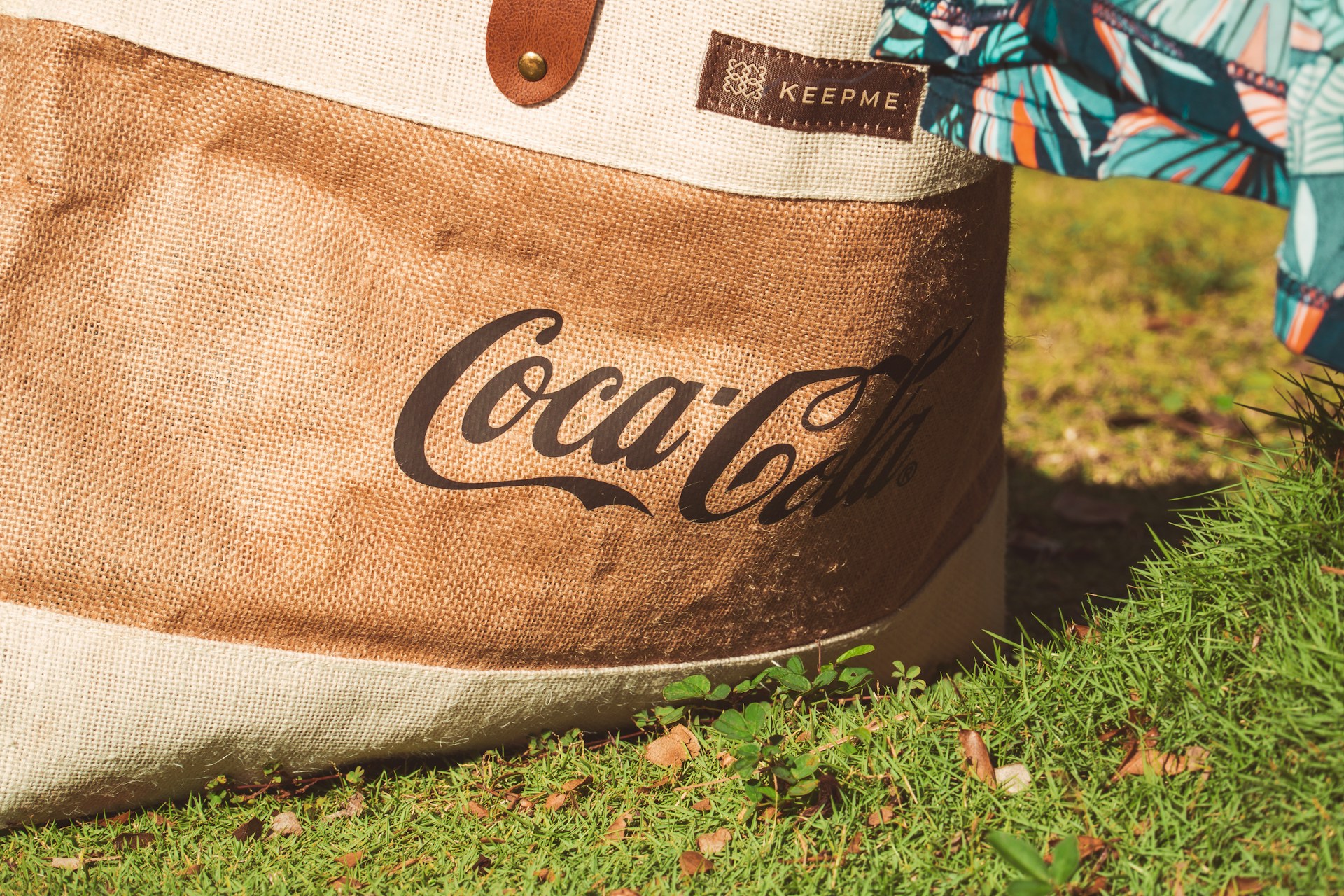
When an organization invests in items that people actually want to use whether in the office, during travel, or at home the brand gains organic, repeated exposure. Furthermore, in professional settings across East Africa, where relationships and trust heavily influence business outcomes, physical touchpoints serve as tangible representations of an organization's standards, attention to detail, and credibility.
2. Categories of Promotional Merchandise That Consistently Deliver
To build a high-performing merchandise catalog, organizations must categorize items based on their intended audience and objective. What works for a massive public-facing brand awareness campaign differs entirely from what drives engagement in an employee onboarding program or a high-value client gifting strategy.
A. High-Utility Everyday Apparel and Outerwear
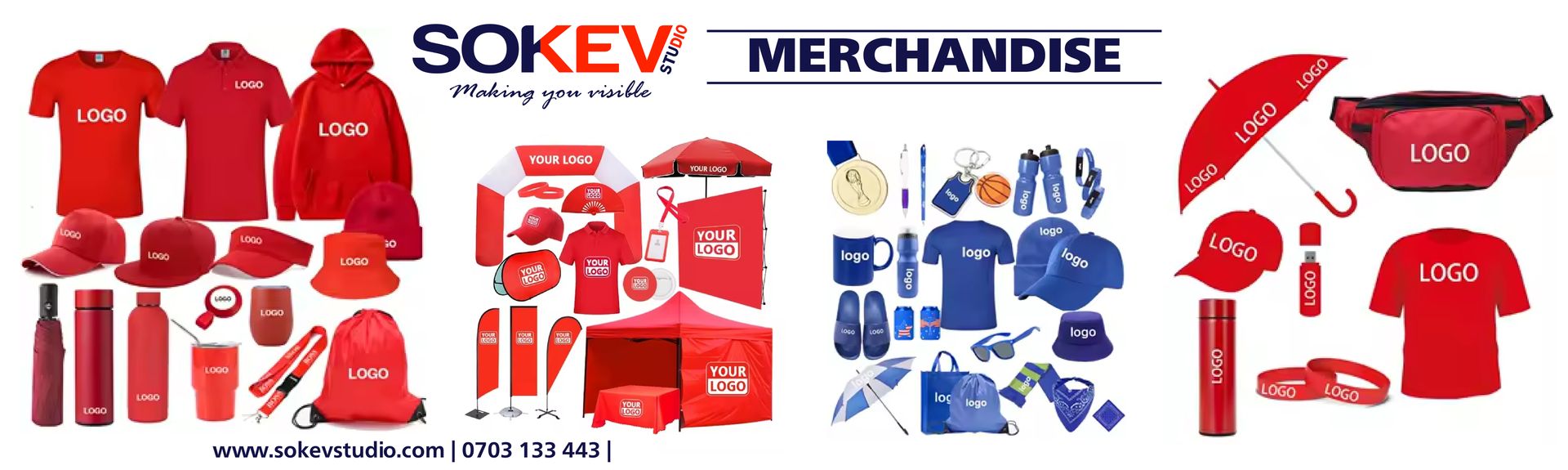
Apparel remains one of the most effective categories of promotional merchandise because it turns employees and loyal advocates into mobile brand ambassadors. However, success depends entirely on fabric quality, modern fit, and subtle, tasteful branding.
Varsity Jackets and Premium Workwear: High-quality outerwear such as structured college jackets or durable layered workwear commands a high perceived value. When designed with clean lines and understated branding, recipients wear them willingly outside of strict working hours.
Structured Polos and Everyday Corporate Apparel: Moving away from stiff, scratchy promotional tees toward breathable, well-fitted fabrics ensures that team members wear them with pride, fostering internal unity and professional external representation.
B. Functional Desk and Office Essentials
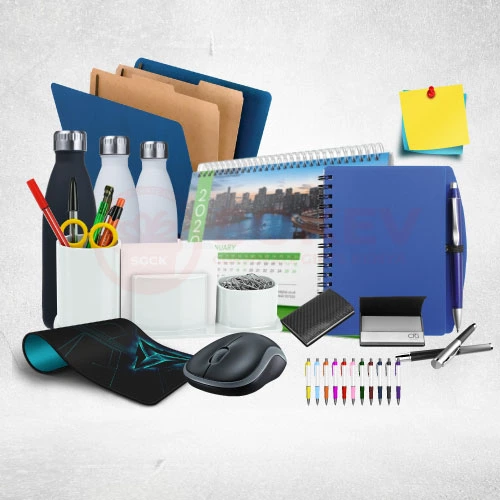
While cheap plastic pens are easily forgotten, office items that solve a genuine daily problem remain on desks for months or years.
Organizers and Tech Accessories: Items that streamline modern work such as durable cable organizers, laptop sleeves, and sleek notebook-and-pen sets tailored for corporate meetings reconnect the brand with productivity and organization.
Drinkware: High-grade stainless steel vacuum bottles and travel mugs are among the highest-retention promotional items. In professional environments across Nairobi and the wider region, a durable travel mug used during daily commutes or in boardrooms provides continuous, passive brand visibility.
C. Event and Campaign Collateral That Stands Out
For trade shows, corporate launches, and industry exhibitions, standard flyers and brochures are routinely discarded. Physical collateral must be memorable and functional.
Display and Exhibition Hardware: For B2B engagement at expos, professional presentation structures such as sturdy broad-base rollup banner stands (ranging from stable 3.5kg to 5kg base weights) and collapsible backdrop stands ($2.26\times2.26m$ to $4.5\times2.26m$) create an authoritative, polished brand environment that commands attention.
Distinctive Campaign Tokens: Smaller items like exchange banner pennants or specialized event accessories work best when tied directly to an interactive experience or a clear utility.
3. Core Principles for Designing a Winning Merchandise Strategy
Investing in merchandise without a framework leads to disjointed purchasing, wasted inventory, and misaligned brand representation. To ensure your promotional strategy delivers measurable value, apply these four operational pillars:
I. Foundation and Standardization
Before ordering merchandise, define your brand pillars and visual guidelines.
Establish approved brand colors, logo placements, and typography rules.
Categorize merchandise by purpose: internal team alignment, client onboarding, executive gifting, or large-scale event marketing.
Ensure that every item reflects the organization's actual operational standards rather than defaulting to the cheapest available option.
II. Commercial and Operational Planning
Avoid last-minute, panicked orders for corporate events or onboarding kits, which often drive up costs and compromise quality.
Forecast annual requirements based on hiring cycles, seasonal campaigns, and corporate milestones.
Maintain clear inventory visibility to prevent stockouts of core brand items.
Implement structured allocation matrices so that departments and regional branches receive consistent quality and branding.
III. Execution and Implementation
Quality control and presentation matter just as much as the item itself.
Prioritize sizing accuracy and sample testing, particularly for corporate apparel and uniforms. Utilize physical sample sizing kits when rolling out team apparel programs to ensure proper fit and high employee satisfaction.
Streamline packaging and distribution so that items arrive clean, well-presented, and ready for deployment across different office locations or event sites.
IV. Governance and Compliance
Treat merchandise as an extension of your corporate identity infrastructure.
Set clear guidelines on who has the authority to approve brand usage on merchandise.
Review items for durability, safety, and appropriateness for your specific working environment.
Consider the lifecycle of your promotional items, leaning toward durable materials that reduce waste and reinforce a commitment to sustainability and long-term value.
4. Measuring the Impact of Your Merchandise
Unlike digital marketing campaigns with instantaneous click-through tracking, promotional merchandise requires a different evaluation lens. Assess the success of your strategy by monitoring:
Retention and Usage Rates: Are employees wearing the apparel voluntarily? Are clients keeping and using the drinkware or tech accessories months after receipt?
Brand Consistency: Does the merchandise accurately reflect your organization's visual identity and professional standards across all touchpoints?
Operational Efficiency: Has your organization moved away from emergency, ad-hoc purchasing toward a planned, predictable merchandising schedule?
Next Steps: Optimizing Your Approach
If your organization is looking to transition away from disposable promotional items and build a structured, high-impact approach to corporate apparel and branded merchandise, a deliberate review of your current requirements is the ideal starting point.
Organizations seeking to streamline their brand visibility, eliminate procurement friction, and ensure long-term consistency can benefit from a comprehensive evaluation of their workwear and merchandise ecosystem.